
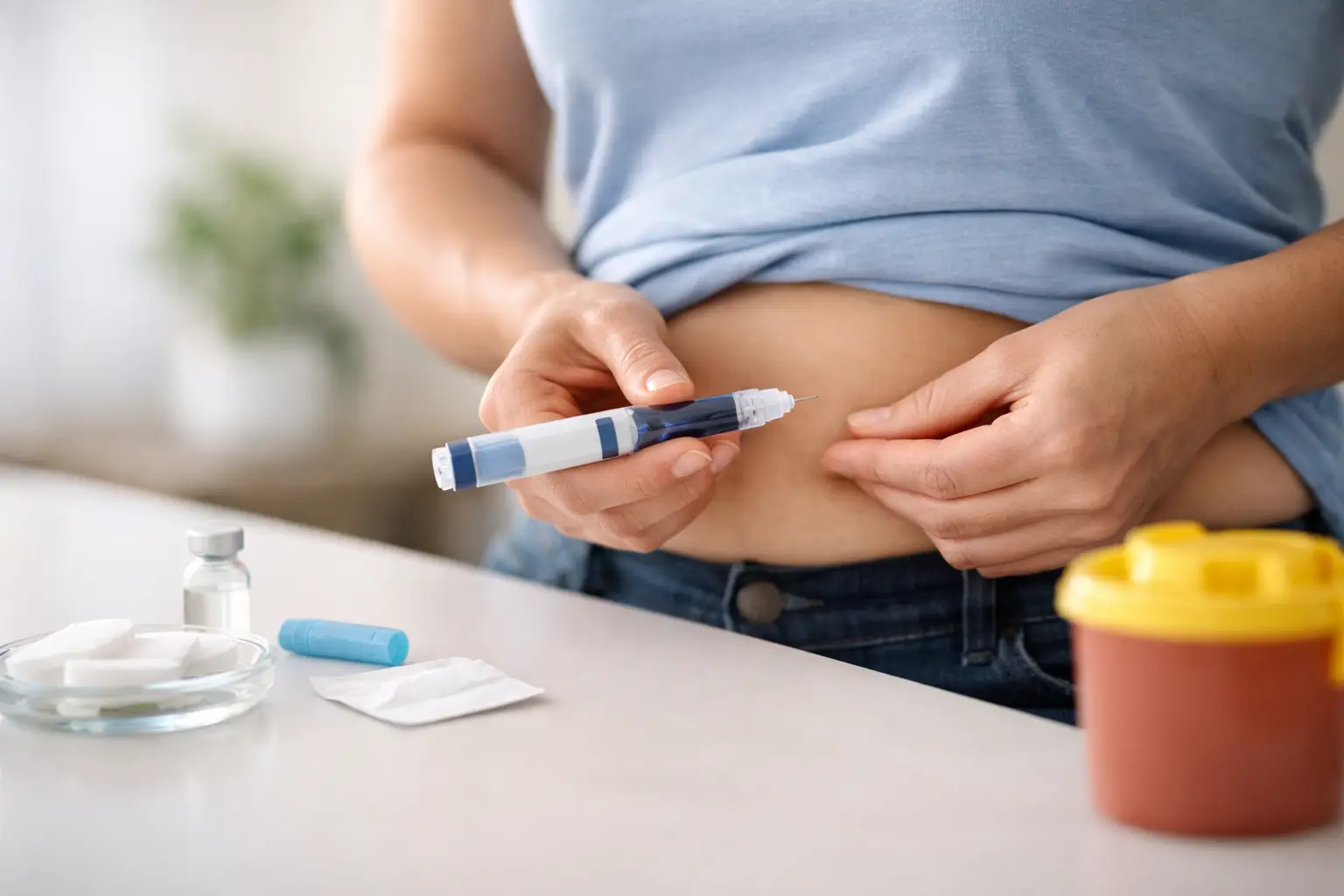
The first time you hold a GLP-1 injection pen, the hardest part is usually not the medication. It is the hesitation. Many patients looking up how to inject GLP-1 are less worried about the steps than they are about doing something wrong. That is normal, and with the right instructions, the process is usually simple, quick, and manageable at home.
GLP-1 medications are commonly prescribed as part of a medically guided weight loss plan for eligible patients. These medications are typically given as a subcutaneous injection, which means the medicine goes into the fatty tissue just under the skin, not into muscle or a vein. Once you understand where to inject, how to prepare the pen, and how to rotate sites, the routine becomes much easier.
How to Inject GLP-1 Step by Step
Before you begin, use the instructions that come with your specific prescription and follow your provider's directions first. Different GLP-1 medications and pen devices can have slightly different setup steps, dosing schedules, and storage requirements. The basic process is similar, but your prescribed product always takes priority.
Start by washing your hands with soap and water. Choose a clean, well-lit area and gather what you need, which may include your medication pen, a new pen needle if your device requires one, an alcohol swab, and a sharps container. Check the label to make sure you have the correct medication and dose. Also check the expiration date and look at the solution if your instructions say it should be clear and colorless.
Next, choose your injection site. The most common areas are the abdomen, thigh, or upper arm. Many patients prefer the abdomen because it is easy to reach and tends to be the least awkward. Stay at least two inches away from the belly button, and avoid areas that are bruised, tender, scarred, hard, or irritated.
Clean the skin with an alcohol swab and let it dry. If your pen requires a needle attachment, attach a new needle according to the product instructions. Some pens also require priming before use, especially when starting a new pen. If your medication includes that step, do not skip it.
Once the pen is ready, insert the needle into the skin at the angle described in your medication instructions, which is often straight in. Press and hold the dose button until the full dose is delivered. Many pens require you to keep the needle in place for several seconds after pressing the button to make sure the medication is fully injected. Pull the needle straight out, then dispose of it safely in a sharps container.
That is the full process. It usually takes only a few minutes.
Best Places to Inject GLP-1
If you are trying to figure out how to inject GLP-1 comfortably, site selection matters more than many people expect. The abdomen, front of the thigh, and back of the upper arm are standard subcutaneous injection sites because they have enough fatty tissue for proper delivery.
The abdomen is often the easiest option for self-injection. It gives you good visibility and control, which can help reduce anxiety if you are new to injectable medication. The thigh can also work well, especially if you prefer injecting while seated. The upper arm is usually a little less convenient to reach on your own, so some patients avoid that site unless someone is helping them.
There is no single best site for everyone. Some people find one area more comfortable than another. Others notice mild irritation in one location and switch to a different approved site. If your provider has given you guidance based on your body type, skin condition, or prior reactions, follow that advice.
Why rotating sites matters
Using the same exact spot over and over can increase the chance of soreness, skin irritation, or lumps under the skin. Rotation helps protect the tissue and can make injections more comfortable over time.
A simple method is to rotate within the same general area for a while, then switch regions. For example, you might use different spots across the abdomen from week to week rather than injecting into the exact same point every time. Keep a small note on your phone if that helps you remember.
Common Mistakes When Injecting GLP-1
Most injection problems are minor and easy to prevent. One common mistake is skipping the medication instructions because the pen looks intuitive. Even if you have used injectable medications before, your current prescription may have different requirements for priming, timing, or storage.
Another issue is injecting into skin that is irritated or not fully dry after cleaning it with alcohol. Wet alcohol can sting. Rushing the injection can also cause trouble. If the instructions say to hold the pen in place for several seconds after pressing the button, that extra time matters.
Needle reuse is another avoidable problem. A fresh needle is designed for a single use. Reusing it can make the injection more uncomfortable and may increase the risk of contamination. Safe disposal matters too. Used needles should go into an approved sharps container, not loose into the trash.
Storage mistakes can also affect the medication. Some GLP-1 products must be refrigerated before first use, while others have specific room-temperature windows after opening. Never assume all GLP-1 medications are handled the same way.
What the Injection Should Feel Like
Most patients are surprised by how little they feel. These are subcutaneous injections with very small needles, and many people describe the sensation as a quick pinch or almost nothing at all. Anxiety before the first dose is often worse than the injection itself.
You may notice slight redness, mild tenderness, or a tiny drop of blood afterward. That can be normal. What is not normal is significant swelling, severe pain, warmth, drainage, or a spreading rash. If that happens, contact your prescribing provider.
It also helps to separate injection-site effects from medication side effects. Nausea, reduced appetite, or digestive changes are usually related to the medication itself, not the shot technique. If side effects feel intense or persistent, your provider may need to adjust your dosing plan.
When to Ask for Help
There is no benefit to guessing when it comes to prescription medication. If you are unsure how to inject GLP-1, ask for a demonstration, written instructions, or a follow-up visit before continuing. This is especially important if you are changing doses, switching medications, or using a new pen device.
Reach out to your provider if you accidentally miss a dose, are not sure whether a full dose was delivered, or inject into the wrong area. You should also check in if you have ongoing skin reactions, worsening gastrointestinal side effects, or concerns about whether the medication is working as expected.
For many patients, success with GLP-1 treatment comes from more than the medication alone. It comes from using it correctly, staying consistent, and having clinical support when questions come up. That is one reason medically guided care matters. A structured program with provider oversight can make the process feel much more manageable, especially in the early weeks.
Tips to Make Weekly Injections Easier
Routine helps. Pick the same day each week if your prescription is a weekly GLP-1, and set a reminder so you do not have to rely on memory. Keep your supplies in one place, store the medication correctly, and avoid waiting until you are rushed or distracted.
If you feel nervous, sit down, take your time, and walk through the steps in order. Some patients prefer to let the pen come closer to room temperature first if allowed by their medication instructions, since a very cold injection can feel more noticeable. Others like using the abdomen because it feels more controlled. Small adjustments like these can make a big difference.
If you are receiving medically guided treatment through a clinic such as South Florida Trim Clinic, use that support. Questions about dosing, injection technique, side effects, and schedule changes are part of treatment, not a sign that you are doing poorly.
Learning how to inject GLP-1 is usually much less complicated than people expect. Once the first dose is behind you, it often becomes just another part of your week - quick, practical, and one more step toward getting control back.