
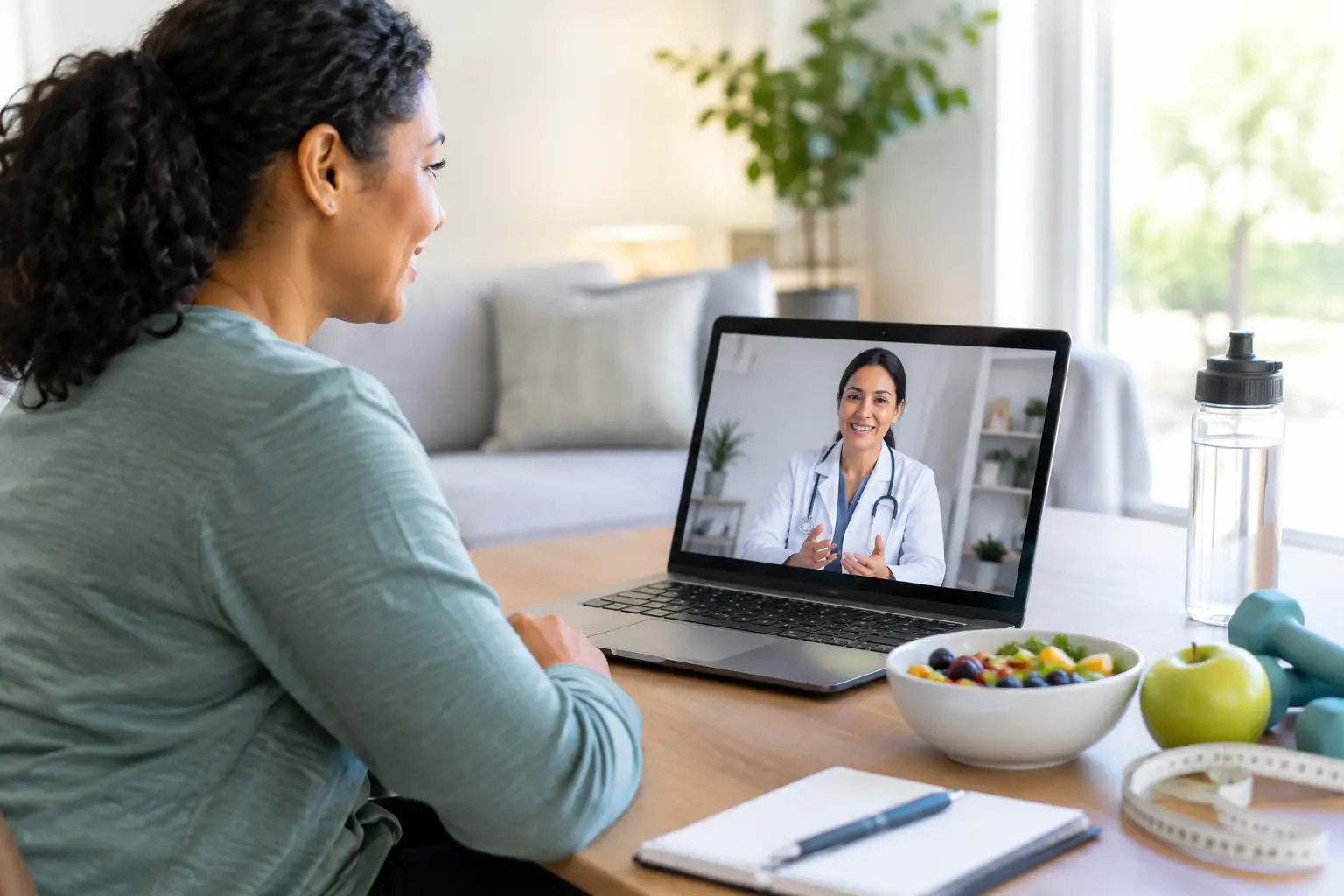
For many people, weight loss did not fail because they lacked discipline. It failed because generic plans asked them to fight hunger, cravings, stress, busy schedules, and food noise without medical support. Remote medical weight management offers a different path: clinically guided care that meets you where you are, without requiring repeated trips to an office.
This approach is designed for adults who are tired of starting over. Instead of another restrictive meal plan or wellness challenge, you can work with a licensed medical provider to understand your health history, discuss appropriate treatment options, and build a plan that is realistic enough to follow beyond the first few weeks.
What Remote Medical Weight Management Means
Remote medical weight management is healthcare delivered through telehealth for people seeking support with obesity, weight-related health concerns, or persistent weight gain. The process generally begins with a medical intake and consultation. Your provider reviews factors such as your health history, current medications, weight goals, and any conditions that may affect treatment decisions.
When appropriate, care may include nutrition and activity guidance, behavior-focused support, follow-up visits, and prescription treatment options. GLP-1 medications may be part of the conversation for eligible patients, but they are not a one-size-fits-all answer. A qualified provider should determine whether a medication is appropriate based on your individual clinical profile.
The remote format changes how you access care, not the importance of medical oversight. You still need a real evaluation, clear instructions, a way to report side effects or concerns, and follow-up support as your plan evolves.
Why Medical Guidance Can Change the Experience
Most diet programs focus on what to eat and what to avoid. Those details can matter, but they often miss the larger picture. Weight regulation can be affected by appetite, sleep, stress, hormones, medications, health conditions, eating patterns, and the constant availability of highly processed food.
That does not mean personal habits are irrelevant. It means habits work best when they are supported by a plan that recognizes biology. Many patients describe the exhausting mental loop of thinking about food all day, trying to be "good," then feeling discouraged when hunger or cravings take over. That experience is common, and it is not evidence of a character flaw.
For eligible patients, GLP-1-based treatment may help reduce appetite and food noise, making it easier to follow the practical changes that support long-term progress. Medication is a tool, not a replacement for care. The right program pairs treatment decisions with ongoing monitoring and honest conversations about what is and is not working.
What a Telehealth Weight Loss Program Should Include
Convenience is valuable, but convenience alone is not medical care. Before choosing a remote program, look for a process that begins with eligibility screening rather than a promise that everyone qualifies.
A credible program should make room for your medical history and current prescriptions. It should explain potential benefits, possible side effects, and when to contact a provider. You should also understand how follow-up works, what the monthly price covers, and whether medication costs, laboratory testing, or pharmacy services are separate.
The strongest programs are clear about limitations. Not every patient is a candidate for GLP-1 options, and not every person needs the same type of support. Pregnancy, certain personal or family medical histories, specific health conditions, and medication interactions can affect eligibility. Your provider should be comfortable saying no when a treatment is not clinically appropriate.
That level of screening can feel slower than signing up for a diet app, but it is part of responsible care. A program that skips medical questions to make enrollment easy may not be giving you the support you need.
How Remote Care Fits a Busy Schedule
For a working parent, frequent traveler, caregiver, or anyone who has put off appointments because of time, telehealth can remove a major barrier. Consultations can take place from home, work, or another private location, depending on your state's requirements and your provider's process.
You do not need to drive across town for every check-in or sit in a waiting room to ask a routine question. That can make it easier to stay engaged when life gets busy. It also gives people in areas with limited access to obesity medicine a practical way to pursue physician-guided care.
Still, remote care is not completely hands-off. You may need to provide current weight information, complete forms, obtain labs if requested, and communicate promptly about symptoms or medication changes. The best results usually come from treating appointments and follow-ups as part of your routine, not as a quick transaction.
South Florida Trim Clinic provides a telehealth option for patients in 47 states, including people in Naples and throughout Florida who want medical guidance without building their schedule around in-person visits.
Setting Expectations for GLP-1 Options
GLP-1 medications have changed the conversation around medical weight loss, but they deserve a clear-eyed discussion. They may be highly effective for some eligible patients, yet results vary. Weight loss is not always linear, and the dose, timing, tolerability, and treatment plan may need to be adjusted under medical supervision.
Side effects can occur, particularly during dose changes. Gastrointestinal symptoms are commonly discussed with these medications, and patients should know what is expected, what may require an adjustment, and what warrants prompt medical attention. This is one reason to avoid treating prescription weight loss medication like an over-the-counter product.
It is also wise to think beyond the first prescription. Ask how your provider approaches plateaus, nutrition, protein intake, strength training, sleep, and maintenance planning. If medication is stopped or changed later, those foundations can help protect the progress you worked for.
A responsible provider will not promise a specific number on the scale. They will focus on safe progress, adherence, tolerability, and health goals that matter to you. For one person, that may be improved mobility or confidence. For another, it may be reducing the strain that excess weight places on their health.
Questions Worth Asking Before You Start
Before enrolling in any remote program, get direct answers about the clinical process. Who evaluates your eligibility? How often will you communicate with a medical provider? What happens if you experience side effects, have questions between appointments, or need a medication adjustment?
You should also ask about pricing in plain language. A low starting monthly price can be helpful, but you deserve to know what is included before you commit. Ask whether follow-up visits are included, whether medications are billed separately, and whether there are additional fees for labs or shipping.
Finally, ask whether the program supports your long-term goals or only focuses on getting a prescription. Sustainable care recognizes that your weight is connected to daily life, not separate from it.
A More Practical Way Forward
The right remote medical weight management program should make care easier to access without making your health feel less personal. It should give you a real medical evaluation, transparent expectations, and a plan that respects both the science of weight management and the reality of your life.
If you have spent years blaming yourself for results that never lasted, consider a different starting point: you may not need more pressure. You may need medically guided support that helps you move forward with clarity, accountability, and care.