
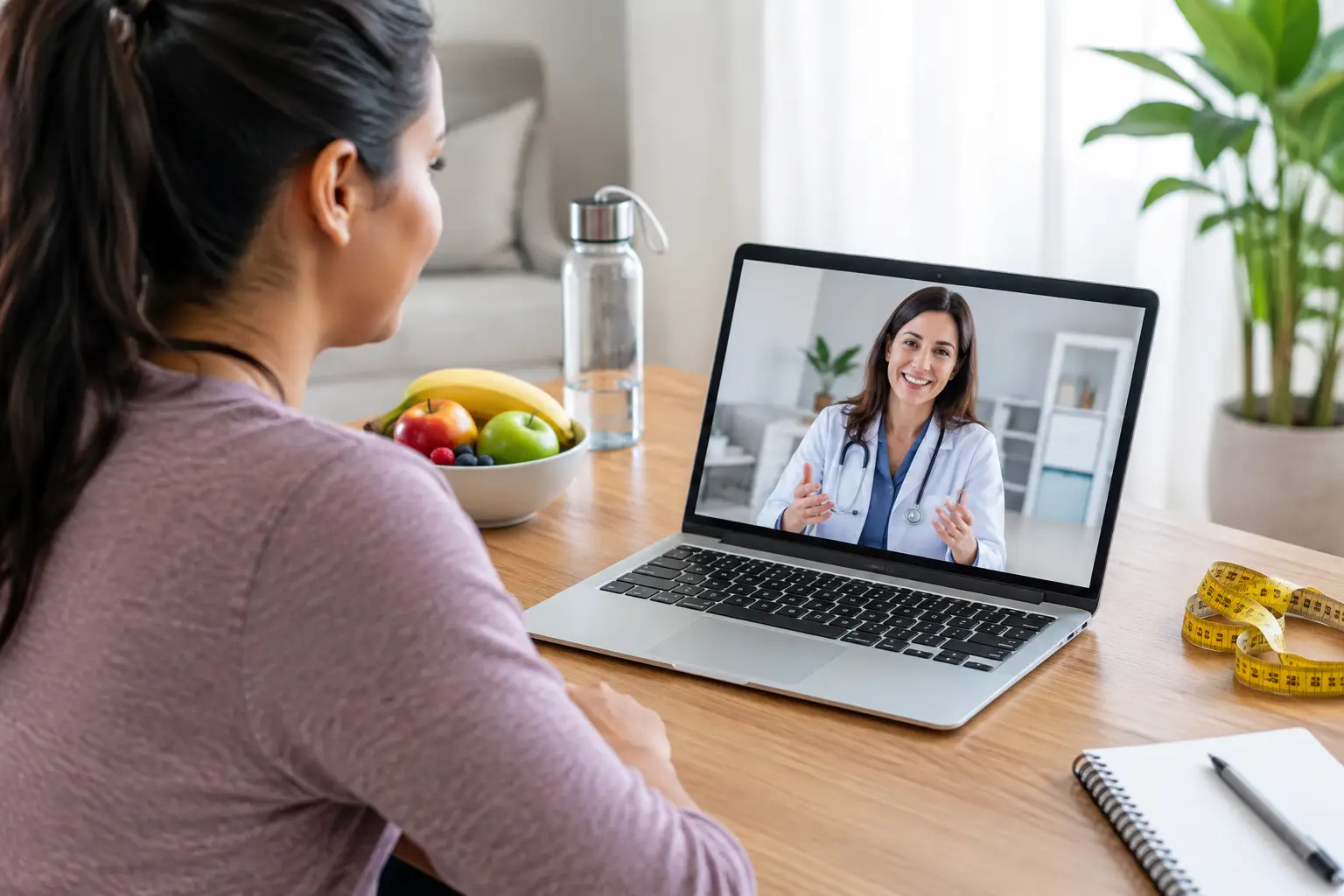
A packed work calendar, family responsibilities, and the nearest weight loss clinic an hour away can make getting help feel unrealistic. Telehealth weight loss availability changes that equation by bringing medically guided care to your phone or computer, without asking you to put your health goals on hold until life gets less busy.
For many adults, weight gain has never been a simple matter of trying harder. Years of conflicting diet advice, processed convenience foods, stress, changing metabolism, and persistent food noise can make self-directed weight loss feel exhausting. A telehealth program can offer a more accountable path: clinical screening, ongoing provider support, and GLP-1 options if you are eligible.
How Telehealth Weight Loss Availability Works
Telehealth weight loss care is not a generic diet app or a one-size-fits-all prescription service. It begins with a medical evaluation. A licensed provider reviews your health history, current medications, weight-related concerns, goals, and other factors that may affect whether treatment is appropriate.
If you are eligible for care, appointments take place remotely through a secure telehealth format. You can discuss progress, side effects, appetite changes, questions about nutrition, and concerns with your care team without routinely traveling to an office. Depending on your treatment plan and clinical needs, your provider may request lab work or recommend follow-up with an in-person physician.
Availability depends on more than whether you can use video chat. Medical providers must be licensed to treat patients in the state where the patient is physically located at the time of the visit. That is why reputable programs clearly identify the states they serve rather than suggesting that telehealth is automatically available everywhere.
South Florida Trim Clinic is based in Naples and provides telehealth services to eligible patients in 47 states. Alaska, Hawaii, and Arkansas are not included in its service area. Before enrolling, patients should confirm that care is available where they live and that they can complete any required clinical steps.
What Is Available Through a Medical Weight Loss Visit?
A remote consultation can give a provider the information needed to decide whether a medically guided weight loss plan makes sense. That decision is personal. It may include a review of body weight, medical history, obesity-related health risks, previous approaches to weight loss, and medication safety considerations.
For eligible patients, GLP-1-based treatment may be one part of care. These medications can help regulate appetite and reduce food noise for some people, but they are prescription medications, not casual wellness products. They are not right for everyone, and they require appropriate screening and ongoing monitoring.
A responsible provider will also discuss what medication can and cannot do. GLP-1 treatment may support reduced hunger, fuller feelings after meals, and more consistent progress when combined with practical behavior changes. It does not remove the need to eat adequately, stay hydrated, build sustainable routines, or report symptoms promptly.
Your plan may also include guidance around protein intake, meal structure, physical activity that fits your current ability, sleep, and realistic expectations. The goal is not perfection. It is to create a plan you can follow long enough for it to matter.
Eligibility Is Not a Guarantee of a Prescription
One of the most useful parts of telehealth is that it can save time for people who are likely to be good candidates for medical weight management. Still, an online consultation is an evaluation, not an automatic approval.
A provider may determine that a GLP-1 option is not appropriate because of your medical history, current medications, pregnancy status, treatment risks, or another clinical factor. In other cases, a patient may need additional information, lab testing, or in-person evaluation before treatment can move forward.
That clinical judgment protects patients. Be cautious of any service that promises medication before asking meaningful questions about your health. The right program should make eligibility-based prescribing clear from the start.
The Practical Benefits of Remote Care
For busy adults, convenience is often the reason telehealth gets their attention. The bigger advantage is consistency. Weight management usually requires follow-up, adjustments, and room to talk honestly about what is happening between visits. When care is easier to access, it can be easier to stay engaged.
Telehealth can reduce common barriers such as taking time off work, arranging transportation, sitting in a waiting room, or finding a local clinic with availability. It can also offer privacy for people who have put off seeking help because they feel embarrassed or discouraged by past experiences.
Remote care works best when patients participate actively. Keep scheduled visits, track the information your provider requests, and raise concerns early rather than waiting for the next appointment. If nausea, constipation, dehydration, severe symptoms, or other side effects occur, contact your care team for guidance. Urgent or emergency symptoms require urgent in-person medical attention.
Telehealth also has limits. A virtual provider cannot perform a hands-on physical exam during a video appointment, and some health concerns are better evaluated locally. Good telehealth care does not pretend to replace every type of medicine. It coordinates a focused weight management plan while recognizing when in-person care is needed.
Questions to Ask Before Starting a Telehealth Program
The best program is not necessarily the one with the most aggressive promise. It is the one that tells you how care works, what it costs, and what support you can expect after the first visit.
Ask whether you will meet with a licensed medical provider, how eligibility decisions are made, and how often follow-up is included. Find out what the monthly price covers, whether labs or medication costs are separate, and whether treatment can be adjusted if your needs change. A clear answer is a good sign. Vague claims about guaranteed results or instant prescriptions are not.
It is also reasonable to ask about communication. If you have a question about side effects or need help between appointments, how do you reach the clinical team? Long-term results are more likely when you have access to real medical guidance rather than being left alone after checkout.
Medications start at $149; exact pricing varies by medication type and potency. Compare what is included, the level of medical supervision, potential medication expenses , and the quality of follow-up. The lowest advertised number does not always reflect the full cost of care.
Preparing for Your First Remote Appointment
Come prepared to be straightforward. Your provider needs an accurate picture of your health, not a perfect story. Have your current medications, known diagnoses, allergies, recent weight history, and questions ready. If you have tried diets, fitness programs, or weight loss medications before, explain what helped, what did not, and what felt unsustainable.
Think about your actual goal beyond the scale. You may want more energy for work, less food noise, improved mobility, better blood sugar management, or the ability to keep up with your children or grandchildren. Those goals help shape a plan that is grounded in your life rather than an arbitrary deadline.
You do not need to prove that you have suffered enough to deserve medical support. If weight has been affecting your health or quality of life, a confidential evaluation can help clarify your options. A medically guided telehealth visit is a practical place to start a more informed conversation about what comes next.