
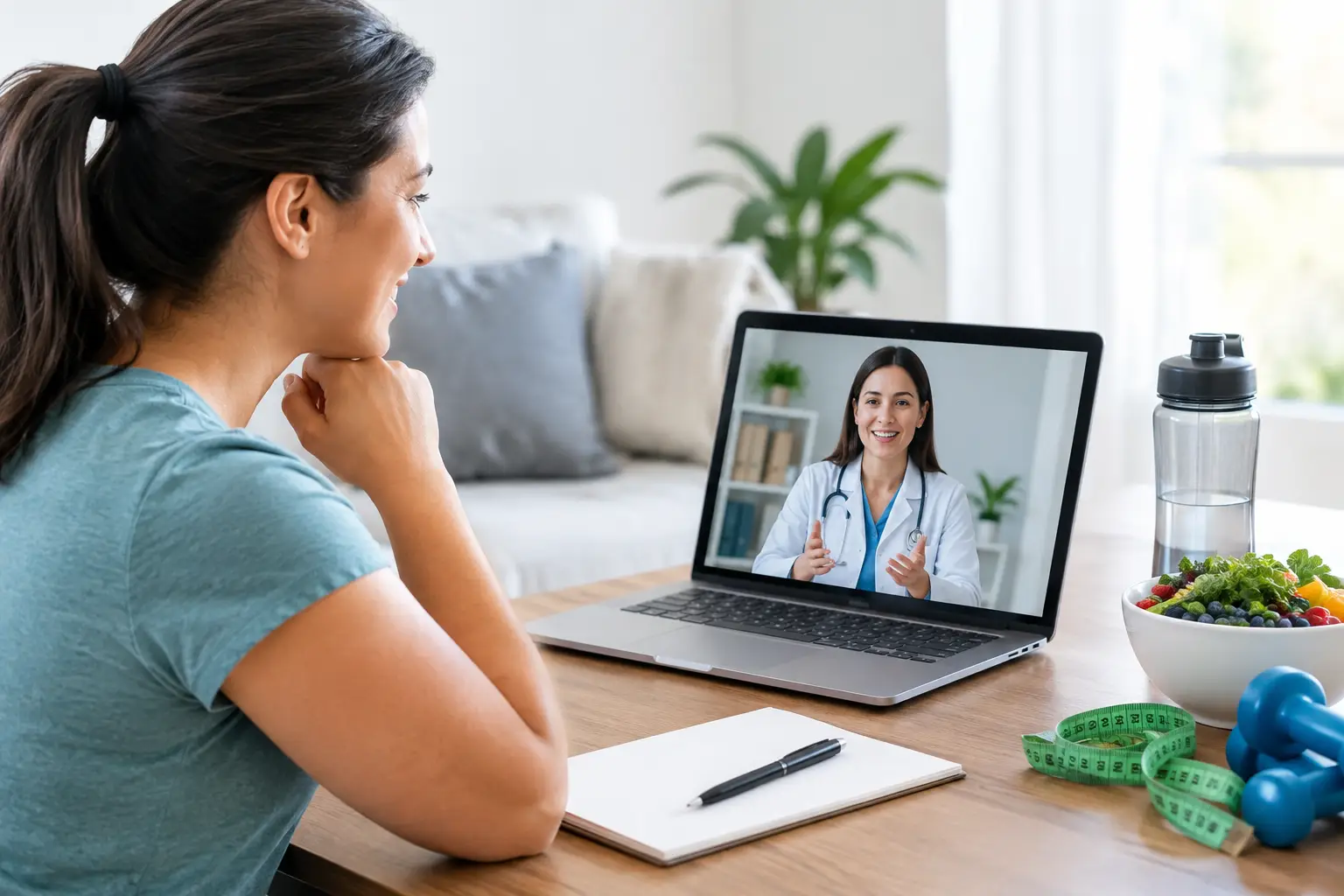
Someone who has tried every popular diet does not need another lecture about discipline. They need a realistic plan that recognizes appetite, metabolism, medical history, stress, sleep, and the daily pressure of living around convenient, highly processed food. Telehealth weight loss patient results are often strongest when care addresses those factors with clinical guidance instead of asking patients to rely on willpower alone.
For eligible adults, telehealth can make medical weight management more practical. It brings a licensed provider, a structured treatment plan, and ongoing accountability into a format that fits work, family, travel, and private schedules. The goal is not a quick fix. It is meaningful progress that can be monitored, adjusted, and sustained.
What Telehealth Weight Loss Patient Results Really Mean
Patient results are personal. One person may see the scale move steadily within the first few months, while another first notices fewer cravings, less food noise, better portion control, or more energy to be active. Those changes matter because they can make consistent weight loss more achievable over time.
Results also depend on where a patient begins. Starting weight, health conditions, current medications, eating patterns, activity level, sleep quality, and treatment adherence can all affect the pace of progress. A medically guided program should set clear expectations without promising a specific number of pounds.
For patients who qualify for GLP-1 options, medication may help regulate appetite and improve the ability to feel satisfied with less food. That can be especially meaningful for people who feel preoccupied with eating or who regain weight after repeated diet attempts. GLP-1 treatment is not appropriate for everyone, and a provider must review eligibility, health history, potential side effects, and contraindications before prescribing.
Why Medical Guidance Changes the Experience
The difference between a self-directed online plan and medical weight management is not simply the prescription. It is the clinical relationship around it. A qualified provider evaluates whether treatment is appropriate, explains how to use medication safely when prescribed, monitors response, and helps make adjustments when progress slows or side effects interfere with consistency.
This structure can reduce the all-or-nothing cycle that frustrates so many people. Rather than treating one off-plan meal or a plateau as failure, patients can work with a provider to identify what changed. It may be a dose adjustment, hydration, protein intake, constipation, sleep disruption, stress, a new medication, or an expectation that needs to be reset.
Medical supervision also keeps the focus on health, not just appearance. Weight loss may support improvements in mobility, confidence, blood sugar management, blood pressure, and other risk factors for some patients. Individual outcomes vary, but the conversation should always include the broader picture of health.
What the First Months Often Look Like
A telehealth program usually begins with an eligibility screening and medical review. Patients share information about their health history, current medications, weight-related goals, and prior attempts to lose weight. The provider uses that information to determine whether a medically guided plan and prescription options are clinically appropriate.
After treatment begins, the first several weeks are often about building a routine. Patients may be learning how their body responds, how to plan meals around lower appetite, and how to stay hydrated. Some need support managing common treatment effects such as nausea, constipation, or feeling full sooner than expected. Prompt communication matters because manageable concerns should not become reasons to stop care without medical guidance.
By the second and third months, many patients have a clearer sense of what is working. The scale may be one measure, but not the only one. Looser clothing, reduced snacking, less urgency around food, improved consistency with movement, and a greater sense of control can all signal meaningful progress.
Plateaus can happen, even with a well-designed program. Weight loss is rarely a perfectly straight line. A plateau does not automatically mean treatment has failed. It is a reason to review the plan, look at adherence and lifestyle factors, and discuss next steps with the prescribing provider.
How to Support Better Results at Home
Telehealth offers convenience, but convenience works best when patients stay engaged. Keeping scheduled follow-ups, tracking weight trends as directed, and reporting side effects honestly gives the provider the information needed to guide care responsibly.
Nutrition does not need to become punishing or overly complicated. For many patients, prioritizing protein, fiber, fluids, and regular meals can help support satiety and preserve energy. A provider may also encourage practical movement that fits the patient’s current ability, whether that means walking, resistance training, or simply becoming less sedentary throughout the day.
The most effective plan is usually the one a patient can continue during a busy week, a work trip, a holiday, or a stressful season. Extreme restrictions may produce short-term changes but can be difficult to maintain. A medically guided approach is designed to help patients build repeatable habits while using treatment appropriately.
The Benefits and Limits of Telehealth Care
For many adults, telehealth removes common barriers to getting help. There is no need to spend time commuting to frequent appointments, sit in a waiting room, or rearrange an entire workday for a check-in. Patients can receive care privately from home while still having access to licensed medical providers.
That said, telehealth is not the right fit for every situation. Some patients may need in-person examination, laboratory testing, urgent evaluation, or specialty care depending on their medical needs. A responsible telehealth provider should recognize those limits and direct patients to appropriate local care when necessary.
Patients should also be cautious about programs that make dramatic promises, offer medication without meaningful screening, or treat follow-up as an afterthought. Weight management medication is healthcare, not a trend. The best programs are clear about eligibility, pricing, treatment expectations, and ongoing support.
A More Realistic Path Forward
South Florida Trim Clinic provides medically guided weight loss care through telehealth for eligible patients in 47 states, including patients seeking a more convenient alternative to repeated in-office visits. Medications start at $149; exact pricing varies by medication type and potency.
No program can guarantee a particular outcome, and medication should never be viewed as a substitute for medical judgment. But for people who have spent years fighting hunger, food noise, and weight regain on their own, clinically guided care can offer a different path: one built around evidence, accountability, and practical support.
If you are ready to move beyond another restrictive diet, start with an honest conversation about your health, your history, and the kind of support you need to make progress that feels possible.