
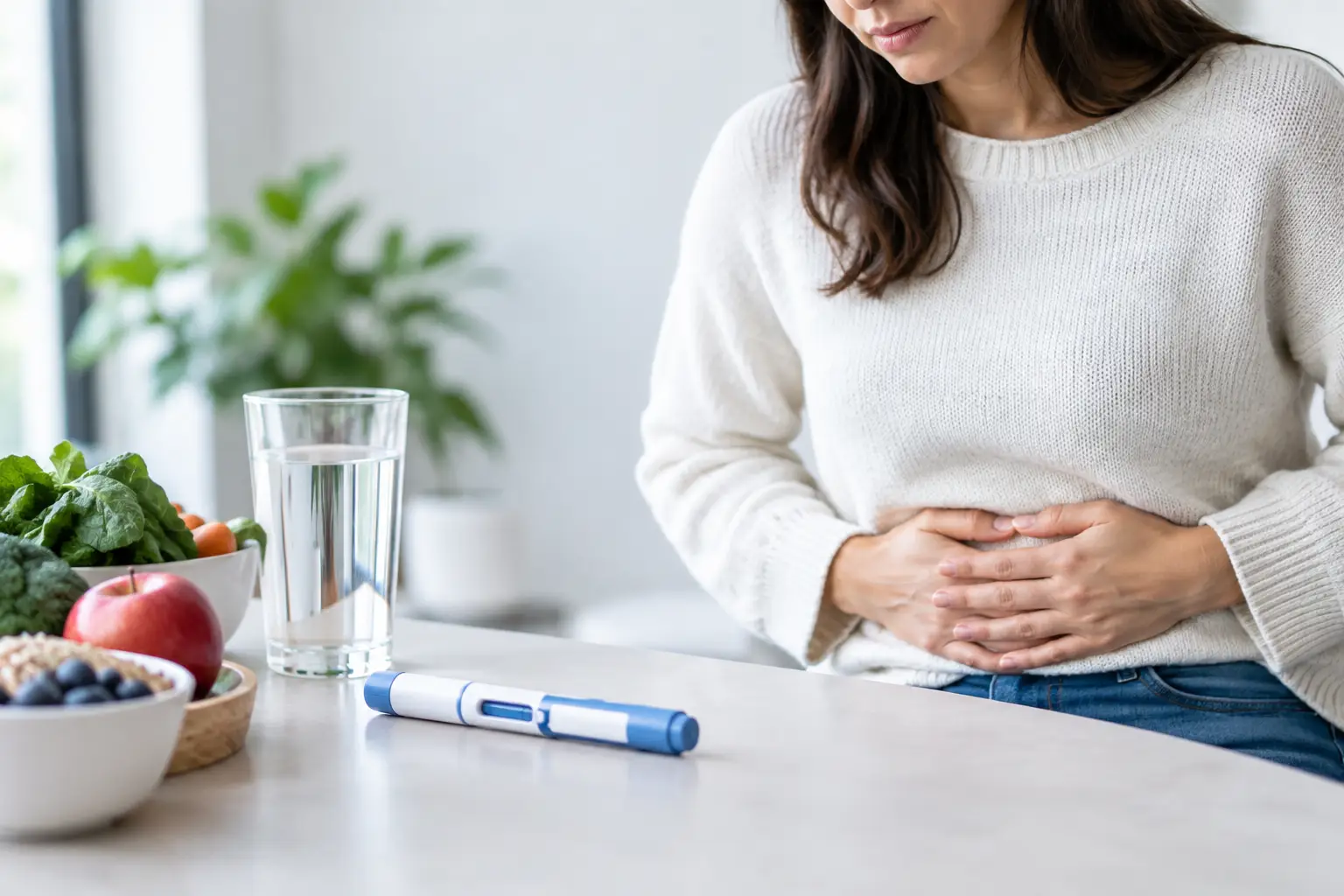
For many people, a GLP-1 medication quiets the constant thoughts about food and makes weight loss feel more manageable for the first time. But a new change in bathroom habits can be frustrating, especially when you are trying to build momentum. So, can GLP-1 cause constipation? Yes. Constipation is a known side effect of GLP-1-based medications, and it is often manageable with the right adjustments and medical guidance.
You do not have to choose between ignoring discomfort and stopping treatment on your own. The goal is to recognize what is normal, take practical steps early, and know when your prescribing provider needs to be involved.
Can GLP-1 Cause Constipation?
GLP-1 medications can contribute to constipation because they slow digestion. That slower pace is part of how these medications may help people feel full longer and eat less. Food moves more gradually through the stomach and intestines, which can also mean stools move more slowly through the colon.
When stool remains in the colon longer, more water can be absorbed from it. The result may be harder, drier stools that are difficult or uncomfortable to pass. Some people notice this soon after starting medication or following a dose increase. Others have little or no constipation at all.
Constipation is not a sign that you have failed treatment or done something wrong. It is a side effect worth addressing, however, because waiting until it becomes severe can make relief more difficult.
Why Constipation Can Be More Noticeable on a GLP-1
The medication itself is only one part of the picture. GLP-1 treatment often changes how much and how often a person eats. Smaller meals can mean less overall food volume moving through the digestive tract. If fiber, fluids, or both decrease at the same time, bowel movements may become less regular.
Nausea can also make it harder to drink enough water. This matters in Florida's heat, during travel, or for anyone with a busy schedule who realizes late in the day that they have barely had anything to drink. Dehydration can quickly make constipation worse.
Your personal health history matters, too. Constipation may be more likely if you already dealt with it before treatment, take certain medications, are less active because of an injury or desk-based job, or have conditions that affect digestion. This is why medically guided care is more than a prescription. A provider can look at the full picture and help adjust the plan safely.
It May Be More Than One Medication
Some medications and supplements can make constipation more likely, including certain pain medicines, iron supplements, some antacids, and some medications used for bladder symptoms. Do not stop a prescribed medication without speaking to the clinician who manages it. Instead, tell your GLP-1 provider about everything you take, including over-the-counter products and supplements.
What Can Help With GLP-1 Constipation
Start with consistency rather than trying one dramatic fix. Small daily habits are often more effective and easier on your digestive system than suddenly taking large amounts of fiber or laxatives after several uncomfortable days.
Drink Fluids Throughout the Day
Adequate fluids help keep stools softer and easier to pass. Keep water nearby, take regular sips between meals, and pay attention to days when your appetite or thirst is lower than usual. Your individual fluid needs may be different if you have kidney disease, heart failure, or fluid restrictions, so follow your medical provider's recommendations.
Add Fiber Gradually
Fiber can support regularity, but adding too much too fast may cause gas, cramping, or bloating. Build it into your meals gradually with options such as vegetables, berries, beans, oats, whole grains, chia seeds, or prunes if they fit your nutrition plan.
Fiber works best with enough fluids. Increasing fiber while drinking very little can make constipation worse for some people. If you are unsure which foods work well with your GLP-1 plan, a medically guided program can help you find realistic options that do not aggravate nausea or leave you feeling overly full.
Keep Your Body Moving
A walk after meals, regular stretching, or other movement you can sustain may encourage normal bowel activity. This does not need to be an intense workout. For someone balancing work, family, and a weight-loss plan, a brief walk after dinner can be a practical place to start.
Do Not Ignore the Urge to Go
When life gets busy, it is easy to delay a bowel movement. But repeatedly ignoring the urge can make stool harder and more difficult to pass later. Give yourself time, especially after breakfast or a warm drink, when the body may naturally be more ready for a bowel movement.
Ask Before Using Constipation Products Regularly
Some people may benefit from an over-the-counter stool softener, osmotic laxative, fiber supplement, or another approach. The right choice depends on your symptoms, medical history, other medications, hydration status, and how long constipation has lasted.
Avoid relying on stimulant laxatives or using constipation products frequently without clinical guidance. They may be appropriate in specific situations, but they are not a substitute for identifying why constipation is happening. Your provider can recommend a safe option and tell you how long to use it.
Should You Lower Your Dose or Stop GLP-1 Medication?
Do not change your dose, skip doses, or stop a GLP-1 medication without speaking with your prescribing provider. Side effects sometimes improve as your body adjusts, and a clinician may have options that support comfort without abandoning your progress. Depending on your situation, they may review food and fluid intake, suggest treatment for constipation, slow the dose-escalation schedule, or evaluate whether a different approach is appropriate.
This is especially valuable for people who have spent years cycling through diets and trying to manage weight alone. Treatment should fit your real life, not force you to push through symptoms in silence. South Florida Trim Clinic provides medically guided GLP-1 options for eligible patients, with ongoing support designed to make treatment more manageable through telehealth.
When to Contact Your Medical Provider
Reach out to your provider if constipation lasts more than a few days despite basic changes, becomes painful, or is interfering with your ability to eat, drink, or follow your treatment plan. Contact them sooner if you have a history of chronic digestive issues or are uncertain about which over-the-counter product is safe for you.
Seek urgent medical evaluation if constipation comes with any of the following:
- Severe or worsening abdominal pain
- Persistent vomiting or an inability to keep fluids down
- A swollen or significantly bloated abdomen
- Inability to pass stool or gas, particularly with pain or vomiting
- Blood in the stool, black stools, fever, fainting, or signs of dehydration
These symptoms may point to something more serious than routine medication-related constipation. They should not be managed by simply taking more laxatives at home.
A More Comfortable Path Forward
GLP-1 treatment can be a meaningful tool for eligible adults who are ready for medically supervised weight loss, but it is not meant to be a one-size-fits-all experience. Constipation can often be improved by addressing fluids, fiber, activity, medication timing, and dose progression with your provider.
If a side effect is making your plan harder to follow, speak up early. The right medical support can help you protect your comfort while staying focused on the health goals that brought you to treatment in the first place.